Connecting industrial operations with technology and specialized expertise
A global company specializing in automation solutions for industries such as glass, wood, insulation materials, gypsum, and intralogistics was looking to evolve the way it supported its customers throughout their production lifecycle.
The challenge involved integrating its AGV (Automatic Guided Vehicle) products with a platform that could enable remote monitoring, control, and support using real-time data.
Working closely with their teams, we helped evolve this digital experience by combining visualization, collaboration, and remote support capabilities. The result was a solution that connects specialists with what is happening on the factory floor, allowing them to support operations remotely with greater context.

Bringing specialized expertise to where operations happen
In complex industrial environments, maintaining production continuity requires the ability to quickly identify and resolve issues affecting equipment.
Although the company already had remote support capabilities, many situations still depended on a specialist being able to directly inspect the machinery. Photos shared via email, phone calls, and chat tools could help with an initial diagnosis, but provided limited context and could make the process slow and prone to error.
The challenge was to take that assistance one step further.
The company needed to integrate its AGV products with a platform capable of combining monitoring, control, real-time data, and collaboration tools, creating an experience that would give specialists greater visibility into what was happening on the factory floor and allow them to remotely assist local teams during an intervention.

A digital layer connecting specialists and industrial operations
By combining the client’s knowledge of its products and industrial operations with our product engineering capabilities, we collaborated on the evolution of a platform designed to connect factory-floor operations with remote specialists.
One of its core components was the Collaboration App, a video calling experience that allows technicians to view equipment, diagnose issues, and guide local teams as they perform the necessary repairs.
The solution also incorporated augmented reality, adding visual context to remote assistance. This allows specialists to guide users toward specific parts of the equipment and provide a more immersive remote support experience.
The platform was complemented by several components designed to support its operation:
Through APIs, we helped connect existing functionality with the new capabilities required, while also working on a UX designed for both specialists and customers operating the equipment.
Built on .NET Core and Angular, with QA and DevOps as part of the project, the solution introduced new digital capabilities into an industrial environment where information, equipment, and specialized expertise needed to work in an increasingly connected way.

A new way to support industrial operations remotely
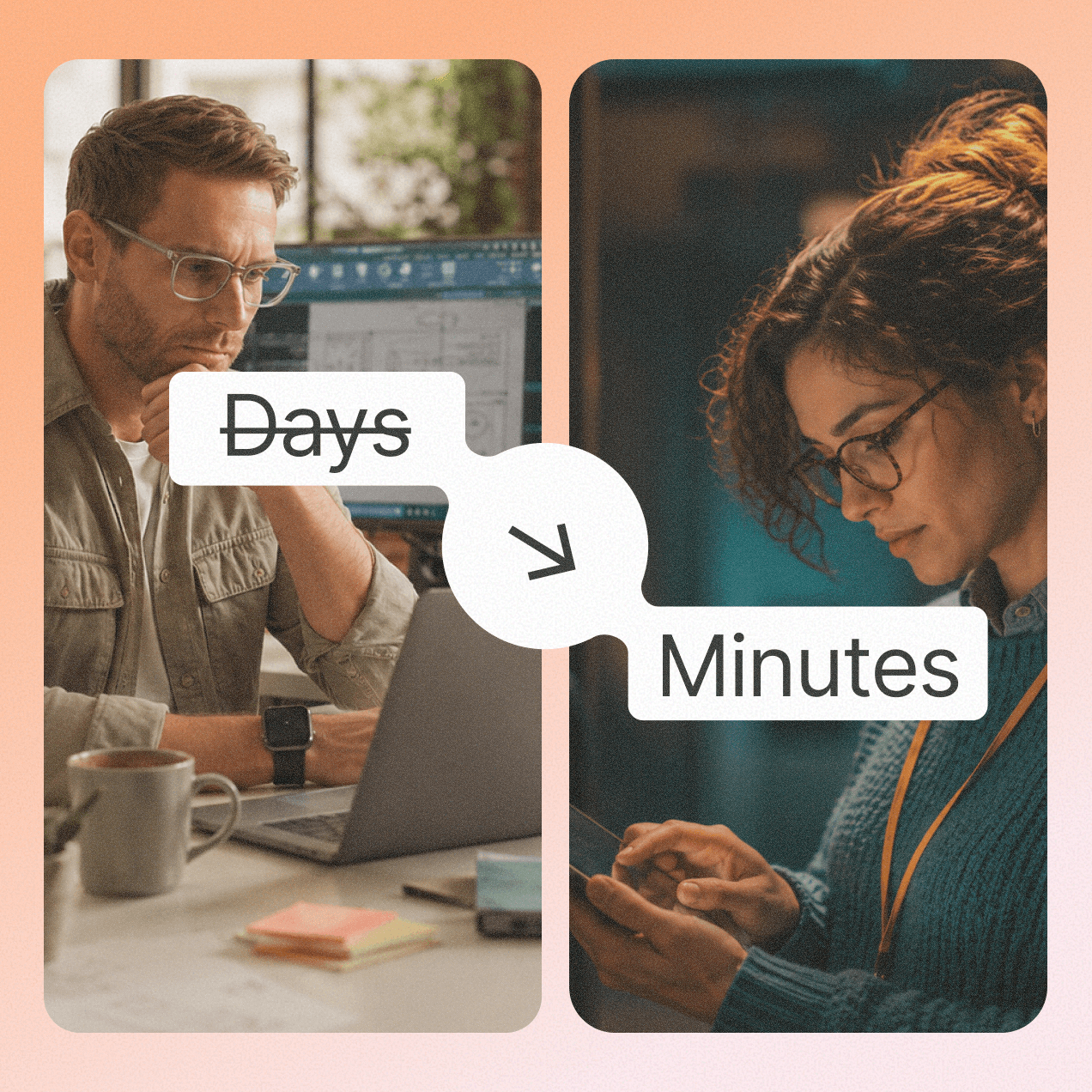
The solution evolved remote support from an exchange of calls, messages, and photos into an experience where specialists and factory-floor teams can collaborate directly around the equipment.

Connecting industrial operations with technology and specialized expertise
A global company specializing in automation solutions for industries such as glass, wood, insulation materials, gypsum, and intralogistics was looking to evolve the way it supported its customers throughout their production lifecycle.
The challenge involved integrating its AGV (Automatic Guided Vehicle) products with a platform that could enable remote monitoring, control, and support using real-time data.
Working closely with their teams, we helped evolve this digital experience by combining visualization, collaboration, and remote support capabilities. The result was a solution that connects specialists with what is happening on the factory floor, allowing them to support operations remotely with greater context.
Bringing specialized expertise to where operations happen
In complex industrial environments, maintaining production continuity requires the ability to quickly identify and resolve issues affecting equipment.
Although the company already had remote support capabilities, many situations still depended on a specialist being able to directly inspect the machinery. Photos shared via email, phone calls, and chat tools could help with an initial diagnosis, but provided limited context and could make the process slow and prone to error.
The challenge was to take that assistance one step further.
The company needed to integrate its AGV products with a platform capable of combining monitoring, control, real-time data, and collaboration tools, creating an experience that would give specialists greater visibility into what was happening on the factory floor and allow them to remotely assist local teams during an intervention.
A digital layer connecting specialists and industrial operations
By combining the client’s knowledge of its products and industrial operations with our product engineering capabilities, we collaborated on the evolution of a platform designed to connect factory-floor operations with remote specialists.
One of its core components was the Collaboration App, a video calling experience that allows technicians to view equipment, diagnose issues, and guide local teams as they perform the necessary repairs.
The solution also incorporated augmented reality, adding visual context to remote assistance. This allows specialists to guide users toward specific parts of the equipment and provide a more immersive remote support experience.
The platform was complemented by several components designed to support its operation:
Through APIs, we helped connect existing functionality with the new capabilities required, while also working on a UX designed for both specialists and customers operating the equipment.
Built on .NET Core and Angular, with QA and DevOps as part of the project, the solution introduced new digital capabilities into an industrial environment where information, equipment, and specialized expertise needed to work in an increasingly connected way.
A new way to support industrial operations remotely
The solution evolved remote support from an exchange of calls, messages, and photos into an experience where specialists and factory-floor teams can collaborate directly around the equipment.