

The problem is not that AI thinks: it is that we stop doing it
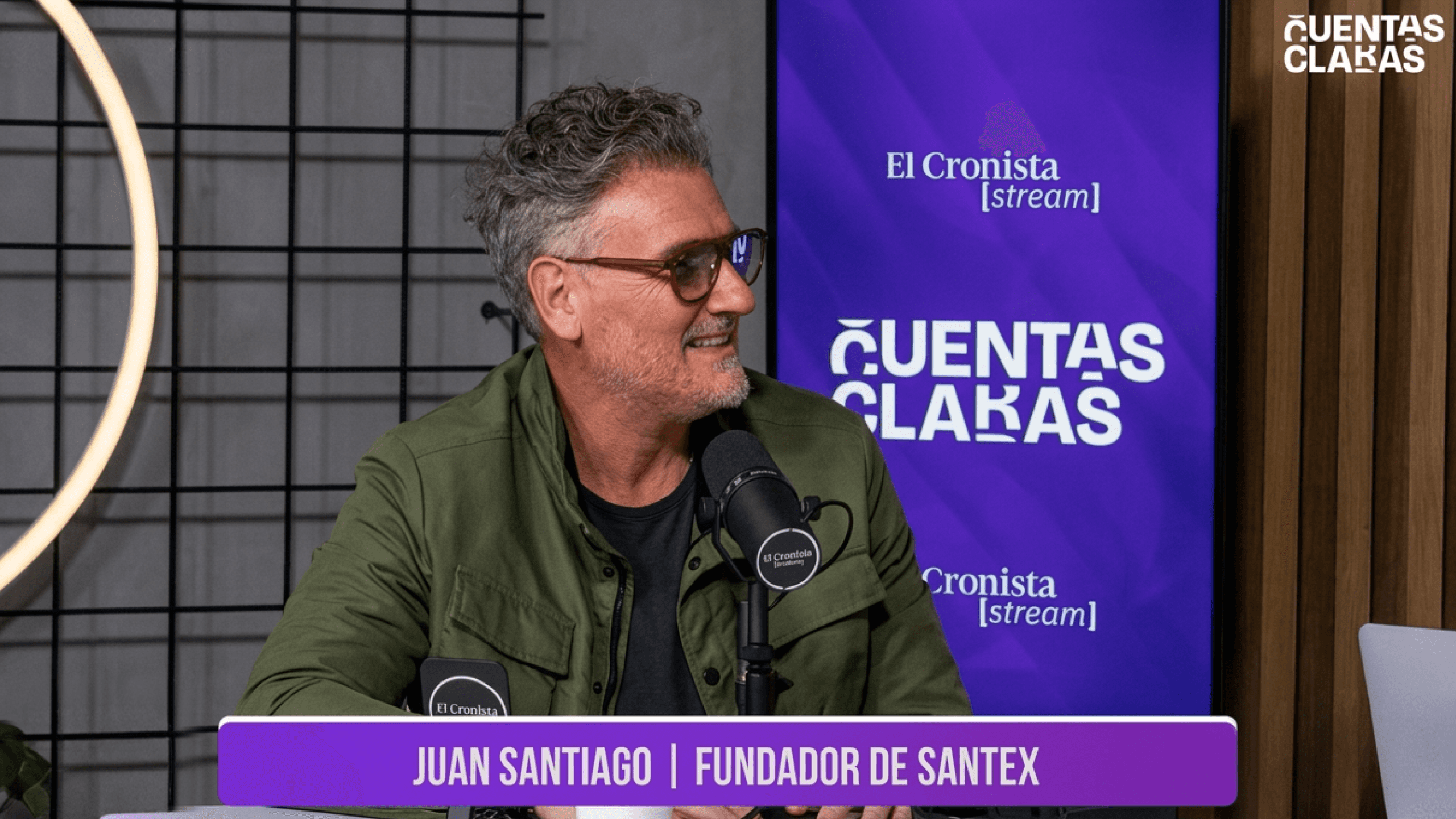
In an ecosystem obsessed with machine processing power, Juan Santiago, founder of Santex, warns about the “anesthesia” of human thinking. Why judgment and the humanities may be the last frontier of dignity in a world designed for passivity.
There is something unsettling about the calm in the eyes of someone immersed in technology every hour of the day. Juan Santiago doesn’t fear a machine uprising. He fears human resignation. In a recent interview that moves away from corporate narratives, the founder of Santex offers a perspective that challenges the industry: the real risk of artificial intelligence isn’t software that learns—it’s humans who disconnect.
For Santiago, this is not just another technological shift. It’s a “morphological transformation”. His diagnosis points to a society increasingly anesthetized by systems designed to turn us into passive users—delegating our ability to think and decide to algorithms optimized for efficiency.
“We are connected, but deeply disconnected”, he says.
From this perspective, AI is not an external threat. It is a mirror—reflecting our lack of attention, intention, and purpose.
This is where his most provocative idea emerges: a return to fundamentals. In a world where machines can write code and diagnose with precision, Santiago argues that the next “rockstars” won’t be pure technologists. They will be philosophers.
Because judgment doesn’t come from an update. It is cultivated—by creating space to think, engaging with real experiences, and rebuilding common sense.
The shift is clear. The real competitive advantage will not come from faster processors, but from deeper human awareness.
Instead of resisting what is inevitable—automation—the challenge is to defend what makes us distinct: the ability to question direction, not just follow speed.
Are we losing our ability to discern?
The full conversation with Juan Santiago is an invitation to wake up from digital inertia—and to understand why, in the age of algorithms, philosophy is becoming essential again for both business and life.
Watch the full interview and explore why the future belongs to those who are willing to think for themselves.
Share on:




Stay Ahead with Expert Tips, Trends, and Insights
Get the latest content from Santex: ideas, tech updates, and resources that matter.
Like